
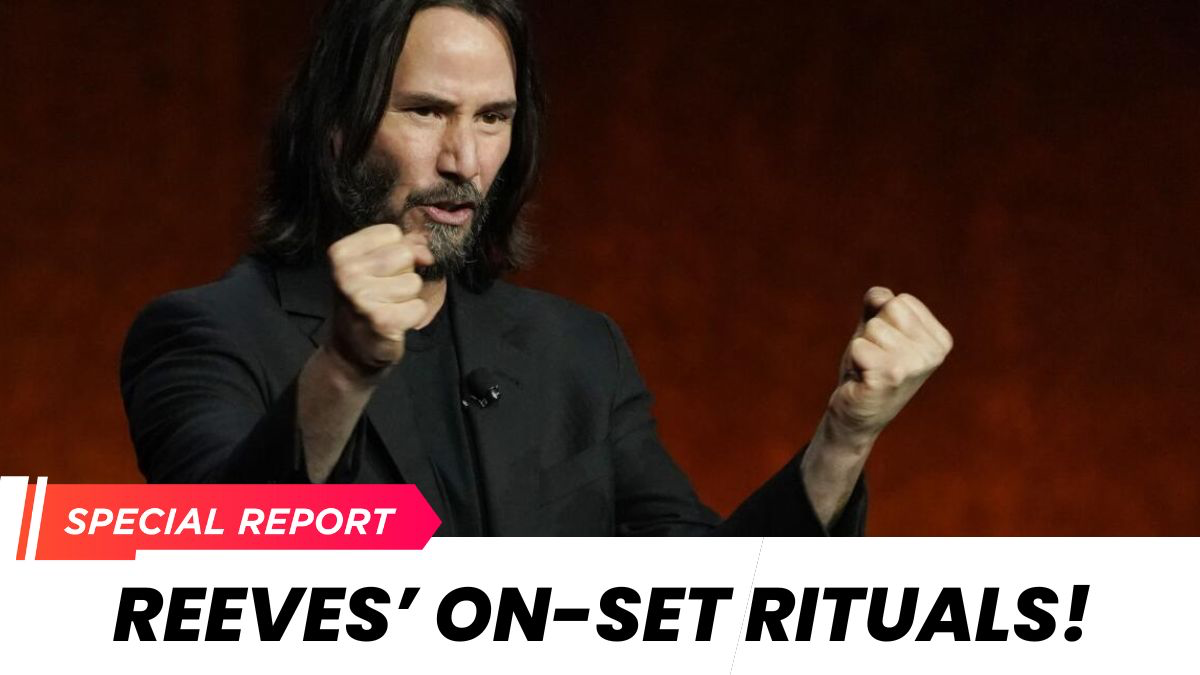
Keanu Reeves On-Set Rituals The Secret Behind Cast Chemistry
New insights into actor Keanu Reeves’ unique on-set rituals for action sequences have surfaced. A recent interview with a collaborator sheds light on how these practices contribute to a safer environment and foster a deeper trust, ultimately enhancing the on-screen chemistry.
The Keanu Reeves Method: Safety and Connection
A stunt coordinator from one of the actor’s recent films described Reeves’ consistent pre-take ritual. Before any major action scene, Reeves reportedly insists on a personal check-in with every stunt performer involved.
This practice is seen as a gesture of mutual respect and an acknowledgment of the shared risk. It ensures everyone is focused and communicative before the cameras roll.
The Psychology of Cast Rituals
Shared rituals serve as a potent instrument for fostering cohesion within high-pressure settings. Whether in sports teams or surgical units, these recurring behaviors facilitate synchronization among the group members and establish a shared psychological space.
This principle is highly applicable to film sets, where trust is essential for creative work. According to psychological studies, rituals can reduce anxiety and improve performance, a topic explored in depth by the BBC’s reporting on workplace dynamics.
Beyond Safety: Enhancing On-Camera Chemistry
The trust established through these safety rituals can translate directly into better performances. When actors feel secure with their scene partners, they are free to be more vulnerable and reactive on camera.
This connection is what audiences often describe as “chemistry.” The foundation of safety and respect built off-camera allows for a more believable and engaging interaction to unfold on-screen, a crucial element in the high-stakes world of filmmaking covered by outlets like Reuters.
An Industry-Wide Application
Keanu Reeves, renowned for his professionalism, has become a trendsetter in the film industry. The use of team-building rituals has gained popularity, driven by the intensified focus on on-set safety across the sector in recent years.
These practices are more than just a personal habit; they are a practical method for improving both safety standards and the final artistic product. This makes them a valuable tool from both a creative and a business perspective, as noted in industry analyses by publications such as the Financial Times.
Key Takeaways
- Details of Keanu Reeves’ specific on-set safety rituals have been revealed by a collaborator.
- His practices reportedly include personal check-ins with stunt teams before action scenes.
- These rituals are designed to build trust and mutual respect among the cast and crew.
- Experts state that such team rituals can improve group cohesion and performance.
- The trust built through these practices can translate into stronger on-screen chemistry between actors.
Also read, Final Season of Stranger Things Stirs Outrage Over Real Disaster Clip.
FAQs
According to recent reports, Keanu Reeves engages in personal check-ins and rituals with stunt performers before filming action sequences. These acts are meant to foster clear communication and mutual trust on set.
Rituals help build trust and a sense of teamwork among actors. When performers feel psychologically and physically safe with each other, they can give more open and connected performances, which audiences perceive as strong chemistry.
Safety protocols are critical on film sets to prevent accidents and injuries, especially during stunts or technically complex scenes.1 They ensure the well-being of the entire cast and crew and are essential for a professional and productive filming environment.

Kyle is a senior writer for Hollyceleb.com, based in Los Angeles where he chronicles the ever-shifting landscape of celebrity culture. His work cuts through the noise to deliver sharp, timely analysis on the biggest stories, from high-profile scandals to viral news moments. With an insider’s perspective, Kyle provides readers with a comprehensive look at the events shaping Hollywood.